Every serious cloud migration programme eventually asks the same question: what do we do with each application? The industry shorthand is the 6 Rs of cloud migration — rehost, replatform, refactor, repurchase, retain, retire — adapted from Gartner-era frameworks and still the clearest way to keep a steering committee honest. This spoke expands the decision table that sits under our Cloud Migration Strategy hub.
Why one R for the whole estate fails
"Lift and shift everything" is fast and expensive forever. "Refactor everything" is elegant and never finishes. Indian mid-market and enterprise programmes win when each workload gets its own R with a written rationale — especially when Windows/SQL Hybrid Benefit, Oracle BYOL/ULA, and DPDP residency constraints change the economics.
The 6 Rs compared
| Strategy | Mechanism | Business implication | Ideal use case |
|---|---|---|---|
| Rehost (lift-and-shift) | Move with architectural fidelity; minimal or no code change. | Fastest exit from a data centre; weak cloud-native economics until you right-size. | Legacy apps with strict uptime and a hard colo exit date. |
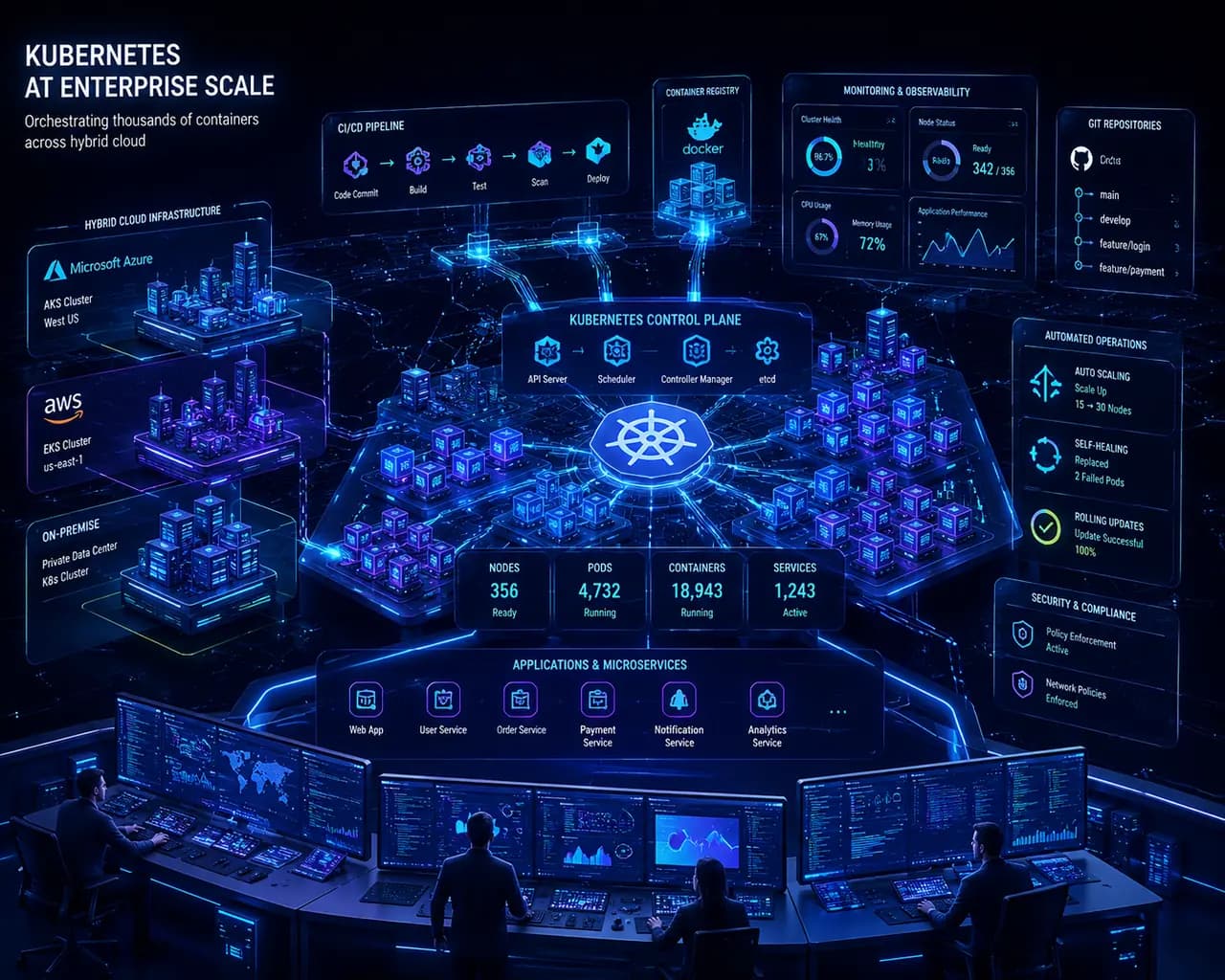
| Replatform (lift-tinker-shift) | Minor platform changes (e.g. self-managed DB → managed service) without rewriting the app. | Better ops and often lower licence/ops cost without a full rewrite. | SQL → Azure SQL MI; Oracle → OCI managed DB shapes; app servers onto containers. |
| Refactor (re-architect) | Redesign for microservices, serverless, or cloud-native data patterns. | Highest CapEx/time; highest long-term agility and unit economics. | Revenue products that need rapid release cadence and elastic scale. |
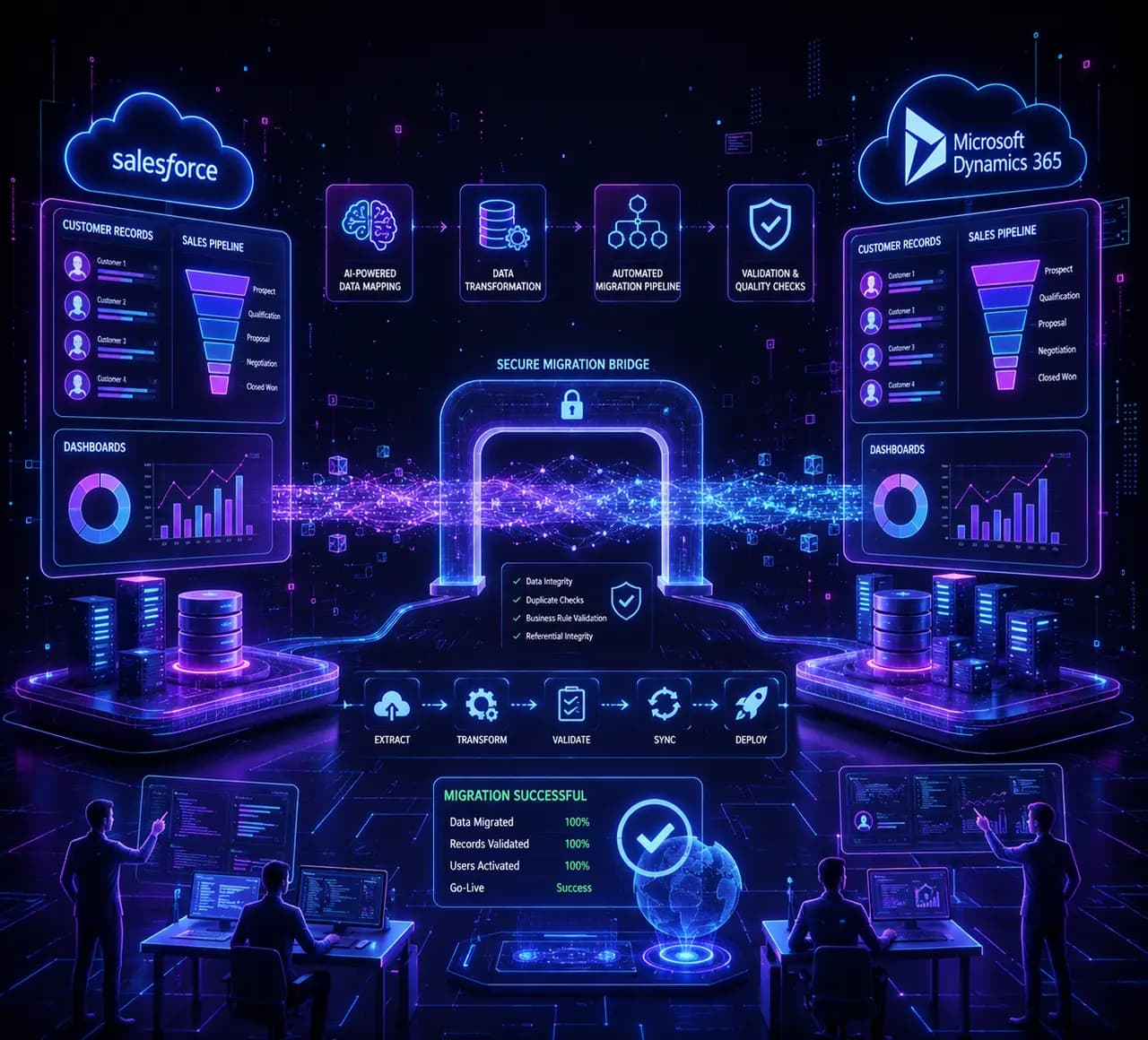
| Repurchase (drop-and-shop) | Replace custom/on-prem software with SaaS. | Vendor carries patching and much of security; change management is the hard part. | CRM/ERP/HR → Dynamics 365, Salesforce, or equivalent SaaS. |
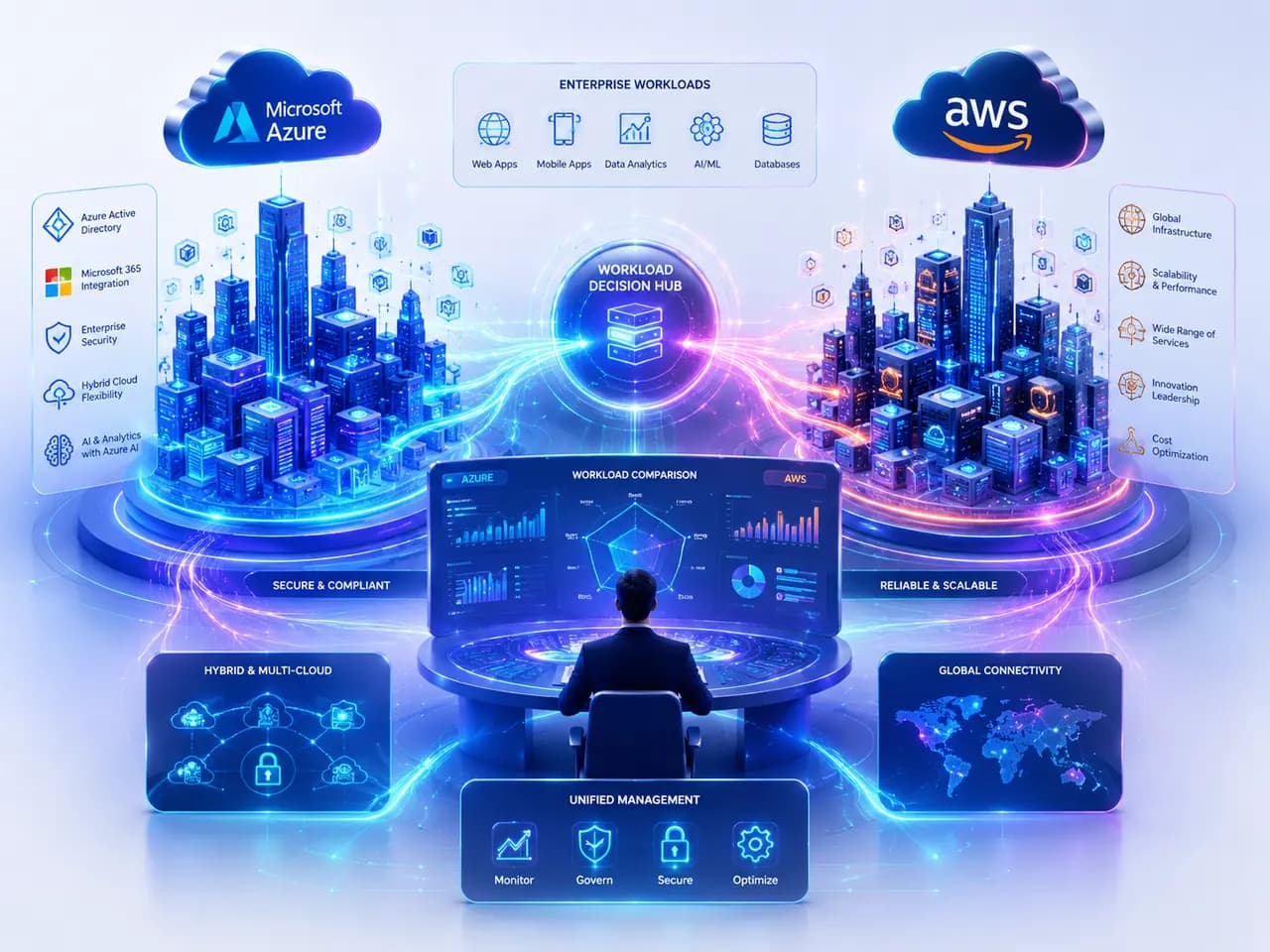
| Retain (hybrid) | Keep workload on-prem or in a private cloud deliberately. | Preserves sovereignty/latency constraints; needs hybrid networking and dual ops. | Regulated datasets or specialised hardware (e.g. some Exadata / OT systems). |
| Retire | Decommission; migrate users to another system or turn it off. | Immediate savings — audits often find ~10–20% of the portfolio can shut down. | Shadow IT, duplicate reporting tools, apps absorbed by a newer platform. |
How we facilitate the decision in workshops
- Score criticality and complexity — business impact × technical debt × dependency fan-out.
- Apply hard constraints — data residency (DPDP / RBI), latency to plants or branches, licence lock-in (Oracle ULA, Windows SA).
- Model 3-year TCO for the top two candidate Rs, including landing-zone and operate cost — not just migration SOW.
- Record the decision in the strategy document so wave planning cannot reopen every argument.
India-specific gotchas
- Rehost without Hybrid Benefit / BYOL review leaves 30–40% on the table for Windows/SQL and can blow Oracle compliance.
- Refactor in year one of a colo exit usually misses the exit window — rehost/replatform first, refactor the money-makers later.
- Retain without a hybrid ops model creates two estates with half the monitoring maturity of one.
- Repurchase still needs data migration, identity (Entra ID), and CERT-In-ready logging in the SaaS tenant.
Where this sits in the hub-and-spoke
Use this page when you are choosing Rs. Return to the migration strategy hub for discovery, landing zones, and wave design. For Oracle estates, pair the R decision with our Oracle Cloud migration engagement. When the R is rehost/replatform onto Azure at scale, use the Azure migration checklist. After cutover, FinOps belongs with cost optimisation and CERT-In.
CloudSwift facilitates 6R workshops as part of funded assessments from Bengaluru — cloud migration services or talk to an architect.